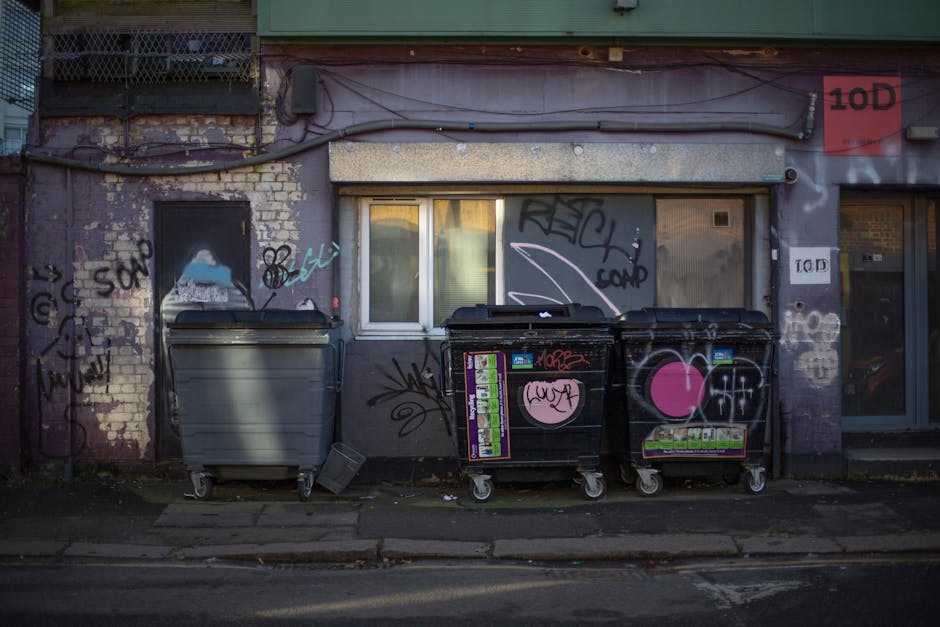
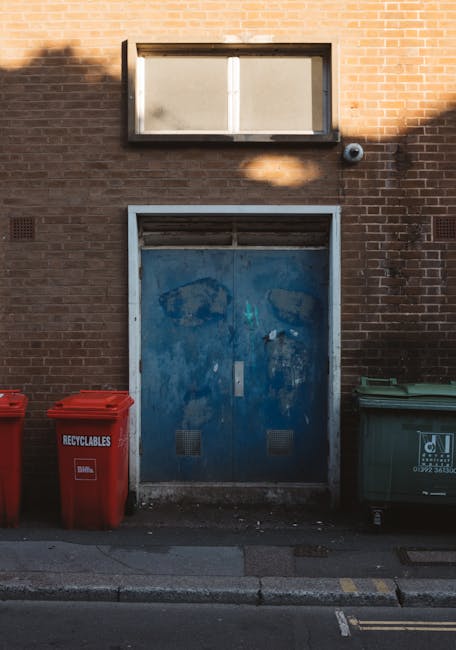
Commercial Waste in Shoreditch for offices, studios and mixed-use premises

Commercial waste in Shoreditch needs a service that fits busy premises, changing schedules and the practical realities of central London collections. We provide commercial waste removal for workplaces that want waste taken away in a straightforward way, with a focus on regular clear-outs, one-off loads and items that do not belong in ordinary office bins. The service is suited to offices, creative studios, retail units, hospitality venues and managed buildings that need reliable removal of business waste without unnecessary disruption.
Our work covers a broad range of non-hazardous commercial rubbish, from general office waste and packaging to furniture, fixtures and redundant items that accumulate during refurbishments, moves or restructuring. Where items are suitable for reuse, recycling or separate handling, we can sort them accordingly. For businesses comparing options, the most useful starting point is often the type of waste, the access to the premises and how quickly the load needs to be cleared. You can request a quotation once you know the main items involved.
Shoreditch brings together older buildings, modern developments and shared workspaces, so collection planning often depends on stair access, loading arrangements and the amount of material being removed. Some jobs involve a single bulky item, while others need a larger clearance with multiple categories of waste. If you want a clean, efficient start, tell us what needs removing and we can discuss the most suitable approach. For a broader view of the service, read on or ask for a quotation when you are ready.
Business waste removal for day-to-day and periodic clearance
Business waste removal is often needed for the routine items that standard bins cannot handle in enough volume, as well as the heavier or awkward materials that build up over time. This can include bagged office waste, cardboard, archive material for disposal, small broken fittings and mixed rubbish from back rooms or storage areas. The aim is to clear the load in one organised visit where possible, rather than leave the premises cluttered with separate piles awaiting later collection.
For many commercial customers, the value lies in keeping waste management practical. That means considering what is being thrown away, how it is stored and whether any part of it can be separated for recycling or specialist handling. If a site has regular waste movement, it may suit a recurring arrangement; if the need is occasional, a one-off collection may be more sensible. Either way, the service is designed to support workplaces that need their waste removed without turning the process into a drawn-out project. Explore the relevant service details and then decide what to include in your enquiry.
What this kind of collection can cover
Commercial waste can be more varied than domestic rubbish, especially where desks, packaging, equipment and store-room contents are involved. A useful collection normally begins with a clear picture of the main categories on site. In practice, this may involve a combination of light and bulky items, plus anything that should be kept apart from general waste. When you are planning the job, it helps to think in terms of item type rather than just volume, because the type of material influences sorting and disposal.
Office waste clearance for desks, storage and paperwork-heavy spaces
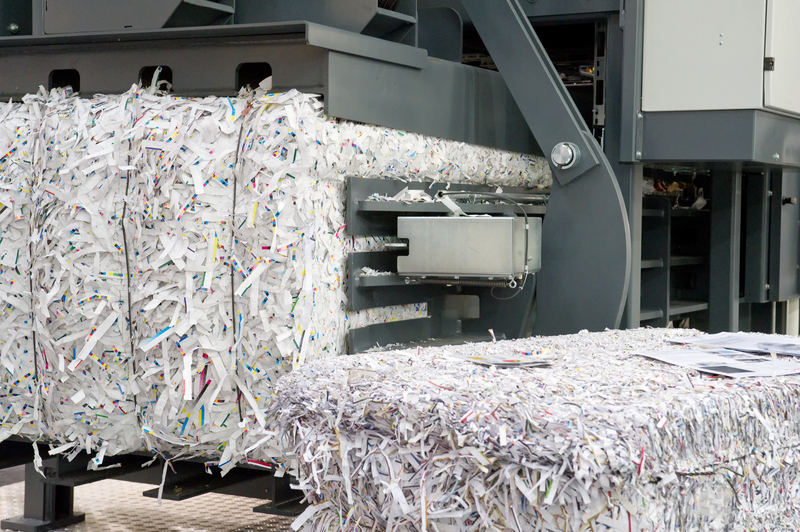
Office waste clearance is a practical option when a workplace is reorganising, closing a room, replacing furniture or clearing surplus material from storage. It can include obsolete desks, chairs, filing units, boxes of archive material, packaging from deliveries and mixed office rubbish that has built up over time. In busy buildings, the challenge is often not just removal, but doing it in a way that works around lifts, shared corridors and other occupants. We can help with that sort of straightforward office clearance.
Where paperwork or confidential material is involved, it is sensible to separate ordinary waste from items that need a different handling route. If shredding or secure destruction is required, that should be considered as a distinct task rather than folded into a general clearance plan. Offices also differ in their access and timing needs, so it is helpful to know whether the work will happen in an active workspace or an empty unit. A clear brief leads to a more accurate quotation and a smoother collection.
To make the process easier, prepare a simple list of the main items, note any access restrictions and highlight anything particularly heavy, fragile or sensitive. If photos are available, they can help describe the load more accurately, but they are not the only way to begin. A short written note is often enough to start the conversation. Once you have the essentials together, ask for a quotation and we can look at the most suitable collection for the site.
Furniture disposal for commercial interiors and refits
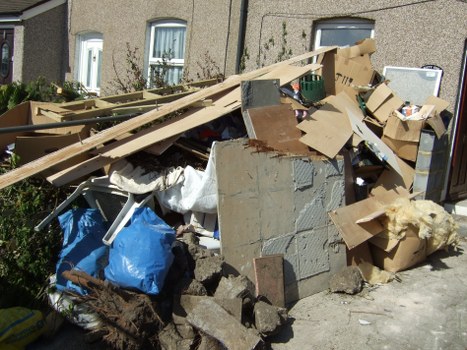
Furniture disposal becomes important when offices, studios, shops or hospitality spaces are being refreshed and the existing layout no longer serves the business. We can remove items such as desks, chairs, cupboards, shelving, tables and other commercial furniture that is no longer required. The main practical questions are usually size, weight, access and whether the pieces are dismantled or need to be moved whole. Those details help determine how the removal is planned and what manpower or vehicle space may be needed.
Commercial furniture often appears in mixed loads alongside packaging, fittings and assorted waste from refits or relocations. In those situations, separating reusable or recyclable items from general rubbish can make the collection more orderly. Where possible, this kind of sorting supports a cleaner finish and can reduce the amount of material that ends up in the wrong stream. If you are replacing several items at once, it is useful to group them by room or floor so the clearance can be managed efficiently.
- Loose office chairs, task chairs and visitor seating
- Desks, reception counters and workstation furniture
- Storage units, cupboards and shelving
- Tables, meeting room furniture and display items
Furniture disposal and replacement planning
When furniture is being removed as part of a wider fit-out or move, the disposal plan should fit the timing of the rest of the work. Some businesses prefer collections before new items arrive; others need the old furniture taken away once the replacements are on site. Either way, a well-planned visit reduces the chance of a cluttered workspace and makes it easier to keep routes clear. This is especially relevant in shared buildings where access windows may be limited.
It can also help to decide in advance which items are leaving, which remain in use and which need to be kept aside for review. That saves time on the day and reduces uncertainty if the collection includes mixed office contents. If a piece is large but only partly damaged, note that in your enquiry so the most suitable method can be chosen. For a practical next step, send the main details and you can then compare the quotation with your schedule.
How furniture jobs are usually assessed
Furniture work is typically judged by the amount to be removed, the type of items, and how accessible the building is. A ground-floor unit with easy loading will usually be simpler than an upper-floor office with narrow stairs or limited lift use. For that reason, the most useful information is not just the item count, but also the route from the room to the exit. That practical detail often shapes the whole clearance plan.
Hazardous and specialist waste: only where appropriate
Some commercial settings produce waste that needs separate consideration, especially where items are not suitable for ordinary mixed rubbish. Hazardous waste disposal is a specialist area and should only be handled within the rules that apply to the material in question. Typical examples in business environments may include certain chemicals, contaminated items or other waste streams that require specific treatment. The key point is not to mix these with general refuse or assume they can all be cleared in the same way.
Where specialist waste is involved, accurate description matters more than broad estimates. Identify the material as clearly as possible, note the source area and separate it from general waste if safe to do so. If the item type is uncertain, it is better to flag that uncertainty rather than guess. This helps determine whether the waste can be included in the collection or needs a different route. If your premises generate only ordinary commercial rubbish, the main service may be simpler than this section suggests; the point is to keep the process honest and appropriate.
Useful information for this kind of enquiry includes the container type, whether the waste is loose or sealed, and whether it has been stored with other materials. That gives a clearer basis for assessment and avoids unnecessary back-and-forth. For anything outside normal commercial waste, accuracy comes first; once the details are clear, it becomes easier to decide the right next step.
Recycling and sorting within commercial waste removal
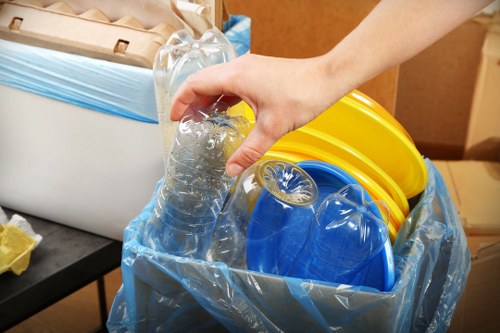
Recycling and sustainability are important considerations for many businesses, especially when they are clearing multiple item types at once. Commercial waste removal is not only about loading material into a vehicle; it is also about separating what can be reused, recycled or directed into the right disposal route. Cardboard, certain metals, office furniture and some appliances may all follow different handling paths. A well-organised clearance gives these categories a better chance of being treated properly.
That said, recycling is only useful when it is based on real sorting and accurate item identification. It is not enough to assume that everything can be placed in the same pile and dealt with later. Clear segregation on site, or a straightforward explanation of what is in the load, helps the collection move more efficiently. Businesses that care about waste handling often appreciate a service that treats sorting as part of the job rather than an afterthought. If you want to see the wider approach, ask about the waste categories involved in your premises.
Practical preparation usually means keeping the main streams separate where possible, such as paper-based waste, bulky furniture and mixed rubbish. This is not about creating work for the customer; it is about making the clearance accurate and manageable. If you have several locations within one building, note which items are in each space so the collection can be arranged in a logical order. That saves time and reduces avoidable handling on the day.
About Shoreditch
Shoreditch is an inner area of east London that sits at the meeting point of the City fringe and the wider borough of Hackney, with its boundaries and identity shaped over centuries by changing patterns of settlement, trade and industry. The name is associated with the old parish of St Leonard’s, Shoreditch, and the district later became known for dense urban streets, workshops, warehouses and rail-linked development. In the twentieth century much of the area experienced decline and rebuilding, followed by major regeneration that brought offices, studios, hospitality venues and residential schemes alongside older structures. That mix is still visible in the street pattern today, where former industrial buildings stand near modern developments and converted premises. Shoreditch High Street, Brick Lane and the surrounding lanes are commonly linked with the area’s creative and multicultural character, while nearby transport connections have helped make it one of London’s most recognisable inner districts. The local environment includes pocket parks, public squares, railway viaducts and a strong concentration of street art, independent shops and late-opening venues, giving the area a layered identity that combines historic fabric with contemporary urban life.
Waste clearance for moves, refurbishments and changing premises

When a business is moving, refurbishing or simply reducing surplus items, waste clearance needs to fit the sequence of work rather than interrupt it. A sensible removal plan can cover end-of-project debris, redundant furniture, packaging from new deliveries and the last items left in storage. In many cases, the service is most useful when it clears the practical obstacles that prevent the premises from being handed back, reoccupied or reopened as intended. The result should be a tidier, more usable space rather than a complicated process.
Different premises create different patterns of waste. A shop may need display fittings, shelving and packaging removed; a studio may have mixed equipment and broken furniture; an office may have desks, archives and general rubbish in one place. Because of that variety, it helps to describe the site in simple operational terms rather than general labels alone. If your job involves multiple rooms or floors, you can break the load down by area. That makes the quotation clearer and avoids confusion about what is included.
If you are ready to move forward, the best next step is to request a quotation. A short description of the waste type, the access and the timing is usually enough to begin. If the job is straightforward, we can keep the process equally straightforward; if it is more involved, the quotation can reflect the extra handling needed. Either way, the aim is to make commercial waste removal in Shoreditch manageable from the first enquiry to the final collection.