Commercial Waste Shoreditch: Recycling and Sustainability
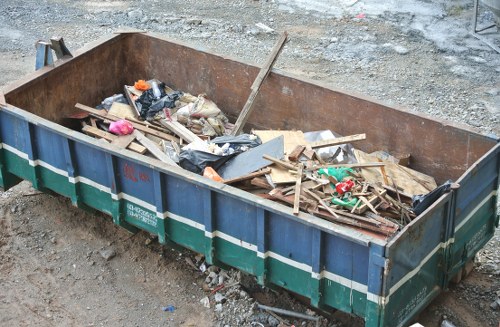 Commercial Waste Shoreditch operates at the heart of east London’s creative district, delivering an eco-focused approach to commercial waste management. Our page explains how a sustainable rubbish area strategy for Shoreditch businesses supports borough-wide recycling goals, reduces landfill and strengthens the circular economy. We outline measurable targets, partnerships with local charities, the network of transfer stations serving the neighbourhood, and an expanding low-carbon van fleet to cut transport emissions.
Shoreditch commercial waste collection is tailored to the unique mix of tech offices, cafes and independent retailers found across the borough. We collaborate with local authorities and follow boroughs' approach to waste separation — encouraging clear streams for glass, paper, mixed recycling, food waste and dry mixed recycling — so that commercial premises can mirror household best practice. This alignment with municipal schemes improves capture rates and reduces contamination.
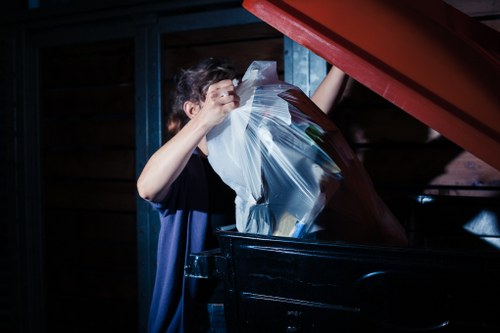
Recycling percentage target and performance
Our operational target is to reach a 65% recycling percentage for all commercial waste collected in Shoreditch within the next three years, with incremental annual milestones: 50% in year one, 58% in year two and 65% by year three. This target is set against current local benchmarks and reflects the ambition of an eco-friendly waste disposal area. We report progress quarterly, using transparent metrics that include diversion rates, residual waste tonnage and contamination levels.Local transfer stations and resource recovery
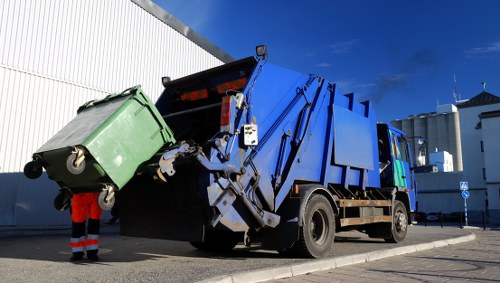
Local transfer stations play a pivotal role in the sustainable handling of Shoreditch commercial waste. We use designated transfer hubs in nearby boroughs to consolidate loads, improve sorting, and route materials to the most appropriate resource recovery facilities. These transfer stations are integrated into a low-emission logistics plan so that materials—particularly bulky cardboard from retail premises and segregated food waste from hospitality—are processed quickly and sent to recycling or anaerobic digestion.For businesses seeking a sustainable rubbish area, centralising collection and minimising double-handling reduces both cost and carbon. Our systems prioritise source-separation, frequent scheduled pick-ups and documented chains of custody for electronic waste, textiles and mixed commercial recyclables. This ensures that each tonne of material is traceable from collection to final recovery.
 Partnerships with charities and reuse networks are a cornerstone of our sustainability model. We work with local charities and social enterprises across Hackney and neighbouring boroughs to divert usable items—furniture, surplus non-perishable food, textiles and office equipment—away from waste streams and into community reuse. These partnerships reduce disposal volumes, support vulnerable groups and extend the life of functional goods, aligning with the principles of a circular local economy.
To strengthen reuse, we maintain a rapid collection service for retail returns and office clear-outs, where items are assessed on-site and redirected to charity partners whenever safe and practical. This pro-active reuse policy complements formal recycling and helps businesses demonstrate a documented reduction in waste sent to landfill or incineration.
Low-carbon vans and sustainable logistics are integral to reducing transport emissions associated with commercial waste in Shoreditch. Our fleet includes hybrid and fully electric vehicles tailored for urban collections, combining compact size for narrow streets with high-efficiency drivetrains. Each route is optimised to cut mileage and idle time, and drivers are trained in eco-driving techniques to support a low-carbon supply chain.
 Operational measures also include consolidated collections for adjacent businesses, scheduled off-peak pickups to avoid congestion, and the use of cargo bikes for small-volume recyclables in the densest parts of Shoreditch. These measures reduce noise, improve air quality locally and reflect a commitment to an environmentally responsible commercial waste service. Additionally, our paperwork and reporting have been digitised to eliminate unnecessary paper use.

Practical recycling activities in the area
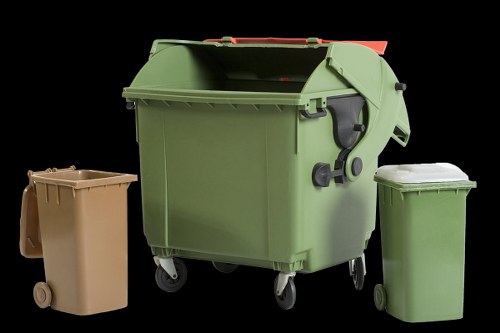
Examples of recycling activity relevant to Shoreditch include segregated glass collection from pubs and bars, cardboard compacting from retail and food service, dedicated food waste streams from restaurants for anaerobic digestion, secure WEEE collection for tech startups, and textile streams from fashion retailers. These targeted services fit within the boroughs' approach to waste separation and maximise capture rates for high-value materials.We provide clear signage and container advice for creating a compliant and sustainable rubbish area: labelled bins for mixed recycling, separate containers for food waste, secure boxes for confidential paper, and clear guidance for hazardous or specialist items. A small investment in proper on-site separation delivers measurable gains in the recycling percentage and reduces processing costs downstream.
