Brick Lane rubbish removal guide for Shoreditch homes
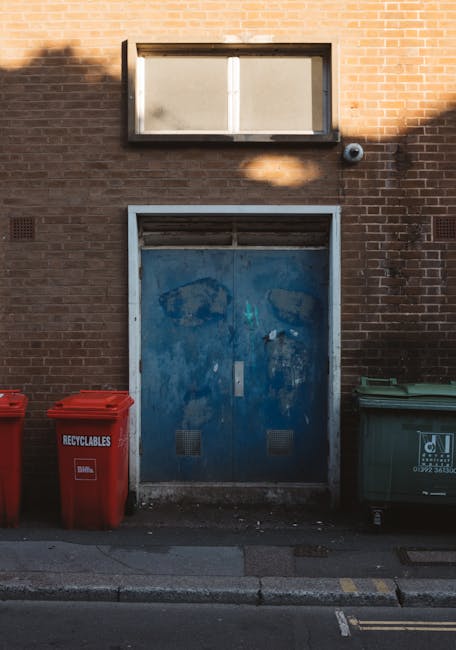
If you live near Brick Lane, you already know rubbish can build up faster than you expect. One move-out box turns into five. A tidy loft starts producing broken lamps, old suitcases and a bike you meant to fix last summer. This Brick Lane rubbish removal guide for Shoreditch homes is here to make the process feel manageable, whether you are clearing a flat, a terrace, a shared house or a small renovation mess.
The big challenge in this part of East London is rarely just the waste itself. It is the stairs, the tight hallways, the parking, the timing, the neighbours, and the simple fact that nobody wants bags sitting outside for long. So let's make it practical. Below you will find how rubbish removal works, when it makes sense, what to avoid, and how to choose the right route for your home without turning a weekend job into a small disaster.
Why Brick Lane rubbish removal matters for Shoreditch homes
Brick Lane and the surrounding Shoreditch streets have a very particular feel: busy pavements, mixed-use buildings, compact homes, older conversions, and a lot of movement. That matters because rubbish removal here is not just about getting rid of unwanted items. It is about doing it cleanly, safely and with as little disruption as possible.
In a house with a front garden or driveway, waste can often be staged outside with room to spare. On Brick Lane, that luxury is not always there. You may be dealing with a top-floor flat, a shared entryway, or a narrow stairwell where a sofa has to be angled like a puzzle piece. Truth be told, even a simple clearance can become awkward if you do not plan the route out of the property first.
It also matters because rubbish left too long can create friction with neighbours and visitors, and in some cases can attract pests or block access. Nobody wants black bags on the pavement becoming an eyesore by Tuesday morning. A good clearance plan keeps the home liveable, keeps the building tidy, and saves you from that slightly sinking feeling when waste has become part of the furniture.
If your job involves a larger household clearance, a loft clear-out or mixed waste after decorating, services such as home clearance, house clearance and flat clearance are often more practical than trying to manage everything in stages.
How Brick Lane rubbish removal guide for Shoreditch homes Works
At its simplest, rubbish removal follows a few clear steps: identify the waste, sort what can stay and what must go, choose the collection method, and arrange a pickup or drop-off. The detail is where things get interesting, especially in homes that do not have much storage or outdoor space.
A typical home clearance starts with a walkthrough of the items. Are you dealing with general household rubbish, old furniture, broken appliances, renovation debris or mixed junk from a cupboard, loft or shed? The answer shapes the most efficient way forward. For example, a few bags and small items may suit a straightforward rubbish collection, while a bulkier mix of furniture and domestic waste may be better handled as part of a wider clearance.
For heavy or awkward items, the access route matters just as much as the waste type. A sofa on the second floor is not the same as a sofa beside the front door. A fridge in a narrow hallway is not the same as one in the kitchen with a clear route out. And yes, that sounds obvious until you are halfway through moving it and realise the turning space is not there.
Some items need specialist handling. Fridges, appliances, mattresses, old furniture, garden waste, builders' rubble and hazardous materials each come with their own practical considerations. If you are unsure where something belongs, it is far better to check first than to improvise later. The wrong choice can slow everything down.
For appliance-heavy jobs, the page on fridge and appliance removal is especially useful, while larger old sofas and beds are often best dealt with through mattress and sofa disposal or dedicated furniture disposal.
Key Benefits and Practical Advantages
The obvious benefit is getting your space back. But in a place like Shoreditch, the practical advantages go further than that. A well-run rubbish removal job saves time, reduces stress and keeps your home and building easier to live in while the work is happening.
- Less disruption: A planned clearance is usually quicker and tidier than moving items out piecemeal over several days.
- Better use of space: In compact homes, every square metre matters. Clearing old junk can make a flat feel bigger overnight.
- Safer movement around the home: Fewer trip hazards, fewer blocked corridors, fewer awkward stacks near doorways.
- Cleaner presentation: Handy if you are preparing for guests, letting agents, new tenants or contractors.
- More suitable handling of awkward waste: Heavy or bulky items are often better removed by people used to tight-access properties.
There is also a mental benefit that people underestimate. Once the waste is gone, the room feels calmer. You notice the light again. You hear the floorboards instead of the pile in the corner. It sounds a bit dramatic, but anyone who has had a clear-out knows the feeling.
For customers trying to stay organised and compare options, it can help to review pricing and quotes alongside the company's wider approach to recycling and sustainability. Price matters, of course, but so does what happens after collection.
Who This Is For and When It Makes Sense
This kind of rubbish removal guide is useful for a wide range of Shoreditch households. In practice, it tends to help people in four main situations.
- Tenants moving out: A final sweep often turns up more than expected. Broken hangers, packaging, old bedding, spare kitchen bits, all that stuff that quietly multiplies in the last week.
- Homeowners decluttering: If you have lived in a place for years, rubbish removal can be part of a much bigger reset. Loft, garage, spare room - the usual suspects.
- People dealing with bulky items: Sofas, wardrobes, mattresses, fridge-freezers and other awkward loads usually need more than a standard bin day.
- Renovation and DIY jobs: Even small works create dust, broken plaster, timber offcuts and bags of mixed waste that need sorting out quickly.
It also makes sense if you are on a tight timeline. Maybe the landlord has given you a moving window. Maybe the decorators are arriving at 8am on Monday. Maybe your living room has turned into an obstacle course and you have decided enough is enough. That is fair. Very fair.
If the job is part of a bigger property reset, related services such as loft clearance, garage clearance and house clearance can be the more efficient route, especially where multiple rooms are involved.
Step-by-Step Guidance
Here is a simple way to approach rubbish removal without overcomplicating it. Small steps, sensible order, less drama.
- Walk through the property. Start with the obvious items, then open cupboards, storage areas and the loft if you have one. Small things hide surprisingly well.
- Separate categories. Keep bulky furniture, general rubbish, electricals, appliances, cardboard, garden waste and hazardous items apart where possible.
- Check access. Measure large items, note tight turns, and think about where the collection vehicle can stop. In busy streets, access is often the real bottleneck.
- Decide what stays. It is easy to fill bags with "maybe" items and then regret it later. Put aside anything you are unsure about.
- Choose the service type. General rubbish, furniture, appliance removal, builders waste or full property clearance each suits a slightly different solution.
- Prepare the items. If safe to do so, flatten cardboard, empty drawers, detach loose parts and make paths clear.
- Book the collection. Confirm what is being taken, any access notes, and whether there are items requiring special handling.
- Do a final sweep. Check under beds, behind doors and in cupboards. This is where the last forgotten pile usually lives.
A useful detail: if you are clearing mixed waste after renovation or repairs, keep an eye on heavy rubble and sharp materials. The page on builders waste clearance can help when the load is more construction-related than household-related.
Expert Tips for Better Results
A few practical habits make a clear-out noticeably easier. Most of them are simple, but simple is often what gets skipped.
- Book before the pile gets bigger. Once waste spills into hallways or balconies, the job becomes more awkward. Early action saves time.
- Keep one "unsure" box. Do not spend twenty minutes deciding whether a tangled cable or old charger should be kept. Put it aside and move on.
- Photograph bulky items. A quick photo helps if you are arranging a collection and want to avoid misunderstandings.
- Clear the route first. There is no glory in carrying a wardrobe around a lamp, a shoe rack and a sleeping cat. Not worth the risk.
- Ask about restricted waste early. Some items need specialist disposal, especially if they are hazardous or contain chemicals.
- Group similar items together. That makes loading quicker and reduces the chance of bits being missed.
If you are dealing with confidential papers during a home move or office-style reset, confidential shredding is worth considering rather than putting sensitive documents in general waste. Small detail, big peace of mind.
And a slightly less obvious tip: schedule the collection for a time when the building is quieter if you can. Early afternoon may be calmer than the school-run scramble or the Sunday brunch rush. In Shoreditch, timing can matter almost as much as the items themselves.
Common Mistakes to Avoid
Most rubbish removal headaches are avoidable. They usually come from rushing, guessing or assuming the process will be simpler than it is. Happens all the time.
- Leaving sorting until collection day. This creates delays and can lead to wrong items being loaded together.
- Forgetting about access. A bulky item may fit through the front door but still fail at the stairwell turn or the hallway bend.
- Mixing special waste with general waste. Batteries, chemicals and some appliances should not be treated casually.
- Underestimating volume. A few visible bags can become a full load once cupboards and storage are opened.
- Choosing based on price alone. Cheaper is not always cleaner, safer or more convenient. You want the right fit, not just the lowest number.
- Ignoring what happens after removal. A responsible approach should consider sorting, recycling and proper disposal.
One classic mistake is assuming a single item is easy just because it is only one item. A broken wardrobe, for example, can be more awkward than ten bags of ordinary rubbish. Heavy, splintered, awkwardly sized... these are the jobs that bite back a bit.
Tools, Resources and Recommendations
You do not need a van full of gear to handle a home clearance, but a few basics help the job go more smoothly.
- Strong bin bags or rubble sacks: Useful for mixed household waste and lighter debris.
- Labels or marker pens: Handy if you are separating keep, donate and remove piles.
- Gloves: A small thing, but worth it when you are moving dusty or sharp items.
- Tape measure: Especially useful for sofa, mattress and appliance removal.
- Box cutter or scissors: Helpful for flattening packaging and breaking down cardboard safely.
- Photo notes on your phone: Good for documenting a load before collection or for keeping track of what stays.
For people comparing clearance options, waste removal is a useful starting point, while furniture clearance can suit sofas, chairs, tables and wardrobes that need careful handling.
If you are planning a bigger project, it is also worth checking practical guidance like what can go in a skip. Even if you do not end up using a skip, the category breakdown helps you think clearly about your own waste mix.
Law, Compliance, Standards and Best Practice
Rubbish removal in a residential setting is not just a convenience issue. It also carries practical responsibility. In the UK, householders should take care that waste is passed to a legitimate carrier and handled properly. That includes being sensible with items that may be hazardous, electrical, sharp, heavy or contaminated.
You do not need to turn into a compliance expert overnight. But you should be cautious about dumping items in the wrong place, handing waste to anyone who cannot explain what happens next, or treating potentially harmful material as if it were just another black bag.
Good practice usually means a few straightforward things:
- keep hazardous or unknown items separate until they are identified
- avoid mixing recyclable materials with general waste where separation is easy
- make sure access and lifting are handled safely
- choose services that can explain how waste is sorted and managed
For more detail on safety expectations and responsible handling, the site's pages on health and safety policy and insurance and safety are useful references. If you are disposing of anything potentially risky, the page on hazardous waste disposal is the obvious place to look first.
Best practice is often boring, but that is actually the point. It keeps the job smooth. No drama, no mess, no panic at the kerb.
Options, Methods and Comparison Table
There is more than one way to clear rubbish from a Shoreditch home. The best option depends on volume, access, item type and how quickly you need the space back.
| Method | Best for | Pros | Trade-offs |
|---|---|---|---|
| Small self-clearance | Light bags, cardboard, a few manageable items | Low-cost, flexible | Time-consuming, multiple trips, not ideal for bulky waste |
| Dedicated rubbish removal | General household waste, mixed junk, one-off clear-outs | Quick, convenient, less lifting for you | Needs clear item list and access planning |
| Furniture or appliance collection | Sofas, mattresses, wardrobes, fridges, washing machines | Better for bulky, awkward loads | Some items need special handling |
| Full property clearance | Whole flats, house moves, bereavement clearances, long-term declutter jobs | Comprehensive and efficient | Needs the most planning and often a longer appointment |
| Skip-based approach | DIY projects, repeated loading, larger renovation waste | Good if you are generating waste over several days | Space, permit and loading considerations may apply |
For many homes near Brick Lane, the sweet spot is a tailored collection rather than a generic one-size-fits-all approach. Tight access and busy streets usually reward planning.
Case Study or Real-World Example
Imagine a top-floor flat just off Brick Lane. The resident is moving out at short notice, the living room has an old sofa, a broken coffee table, a mattress, three bin bags of mixed clutter and a few boxes of packing waste. The hallway is narrow, there is no lift, and the stairs turn sharply on the landing.
Now, you could try to handle that in bits and pieces over several evenings. But what usually happens? The bags sit by the door. The sofa becomes an obstacle. A box of odds and ends gets opened halfway, then closed again because nobody has time. It is the kind of job that quietly steals your weekend.
In a better version of the same story, the resident sorts keep and remove items first, photographs the bulky pieces, clears the route through the flat, and arranges a single collection. The sofa, mattress and mixed waste are taken in one visit. The space is cleared before the final handover, and the flat looks calm again instead of half-moved and a bit defeated.
That is really the value of a good rubbish removal plan: less back-and-forth, fewer decisions under pressure, and a cleaner finish.
Practical Checklist
Use this before you book or begin loading anything.
- Have you listed every item that needs removing?
- Have you separated keep, donate and remove piles?
- Do you know whether any item is heavy, sharp, electrical or hazardous?
- Is there a clear route out of the property?
- Have you checked stair widths, doors and corners for bulky items?
- Do you know which items need special handling?
- Have you flattened cardboard and grouped similar waste together?
- Have you reviewed pricing and quotes so you know what to expect?
- Have you made a note of any access restrictions or parking issues?
- Have you done a final sweep of cupboards, under beds and loft spaces?
Quick takeaway: the smoother the sort-out, the smoother the removal. That sounds obvious, I know, but it is also the bit people skip when they are in a hurry.
Get a free quote today and see how much you can save.
Conclusion
Brick Lane rubbish removal for Shoreditch homes works best when you treat it as a small project, not a spontaneous chore. Sort early, think about access, separate specialist items, and choose the method that fits your home rather than forcing the home to fit the method.
Whether you are clearing a compact flat, emptying a loft, replacing tired furniture or dealing with mixed waste after a refurb, the right approach will save time and reduce stress. And honestly, that is the goal. A tidy space, a clear route, and one less thing hanging over your head.
If you are ready to take the next step, look at the options that match your items and your access needs, then book when it suits your schedule. Little by little, the mess goes. And once it is gone, you do feel lighter - strange, but true.
Frequently Asked Questions
What is the best rubbish removal option for a Brick Lane flat?
For most compact flats, a tailored rubbish removal or flat clearance service is usually the best fit. It handles mixed waste, bulky items and awkward access more efficiently than trying to move everything yourself.
Can I remove furniture and general rubbish in the same collection?
Often yes, as long as the provider can handle the mix. It is best to separate the items mentally into categories first so you can explain exactly what needs to go.
What should I do with old mattresses and sofas?
These are bulky items that are often easiest to manage through dedicated mattress and sofa disposal rather than general household waste. They can be heavy and awkward, especially in narrow stairwells.
How do I prepare for rubbish removal in a Shoreditch home?
Start by sorting items into keep, remove and unsure piles. Then clear hallways, measure bulky items, and make a note of any access problems such as tight stairs or limited parking.
Is it worth booking a full house clearance instead of a one-off rubbish collection?
If you have several rooms to clear, or the job includes lofts, garages or large amounts of mixed waste, a fuller service is usually more efficient. It saves time and reduces repeated lifting.
What items need special care or separate disposal?
Appliances, fridges, hazardous materials, batteries, chemicals and some electrical items may need special handling. When in doubt, check before mixing them with general waste.
How can I avoid problems with access in Brick Lane properties?
Measure large items, check stair turns, keep routes clear and think about where the collection vehicle can stop. In busy streets, access planning is often the difference between a smooth job and a frustrating one.
What if I only have a few bags of rubbish?
A small rubbish removal job can still be worthwhile if you do not want to make repeated trips or if the bags contain mixed, awkward or dirty waste. Sometimes convenience is the main win.
Should I sort recyclable items separately?
Yes, where it is practical. Separating cardboard, metal, furniture and other recyclable materials can make the whole process cleaner and more responsible.
How do I know if a waste service is trustworthy?
Look for clear explanations of what they take, how they handle safety, and how they manage disposal. Pages such as about us and insurance and safety can help you judge whether the service feels professional and transparent.
Can rubbish removal help before a tenancy handover or sale?
Absolutely. A clear, tidy property makes a stronger final impression and helps you avoid last-minute stress. In the final week, that calm and empty room is worth a lot.
What is the easiest first step if I feel overwhelmed?
Start with one room and one category of waste. Do not try to solve the whole house in one go. A small win often unlocks the rest, and once the first pile disappears, momentum usually follows.